

Kenai Sockeye Counts
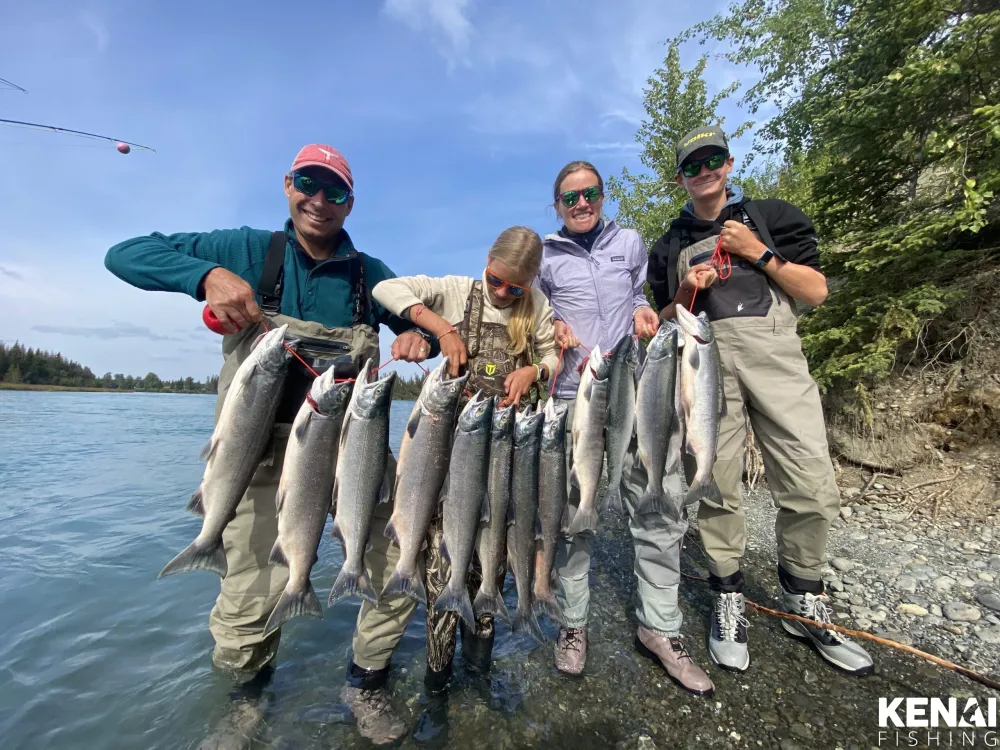
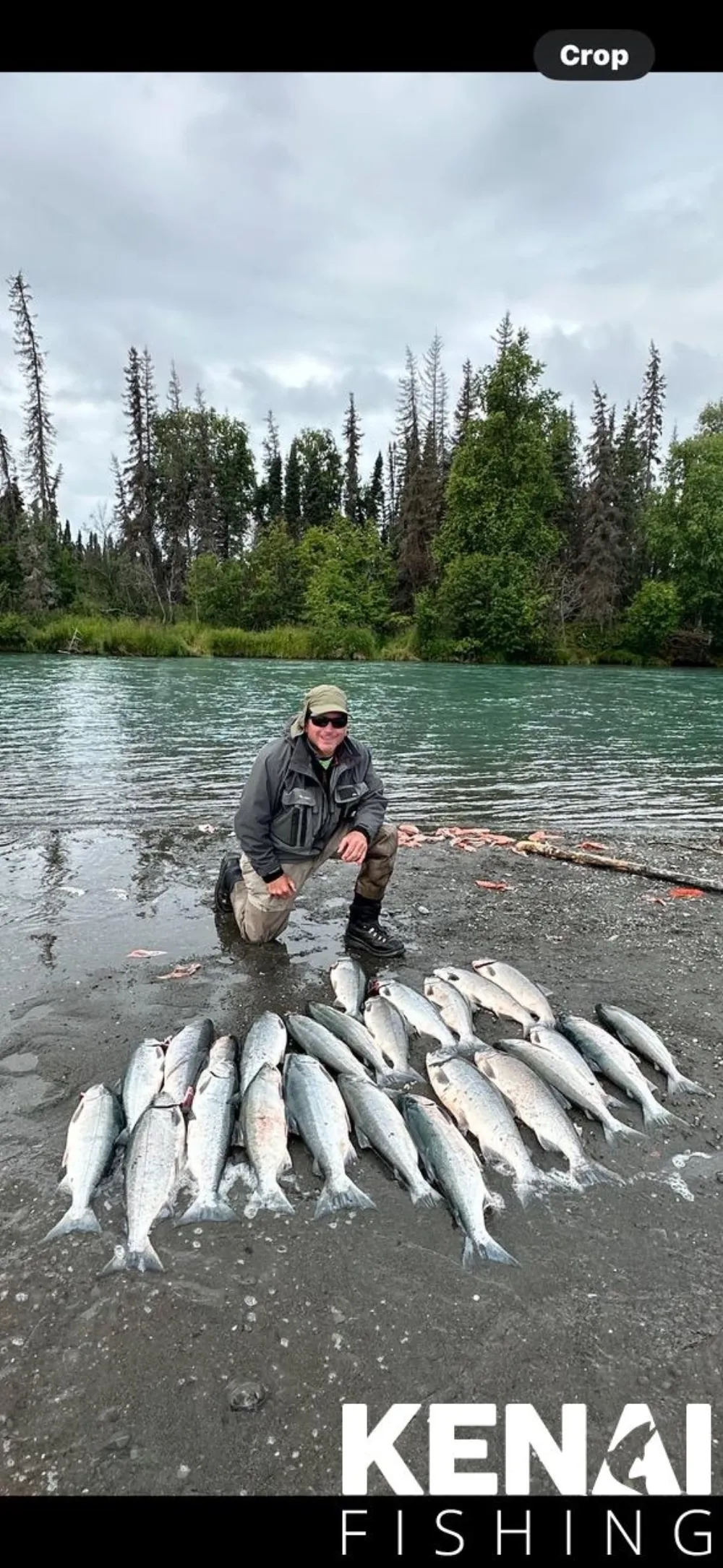
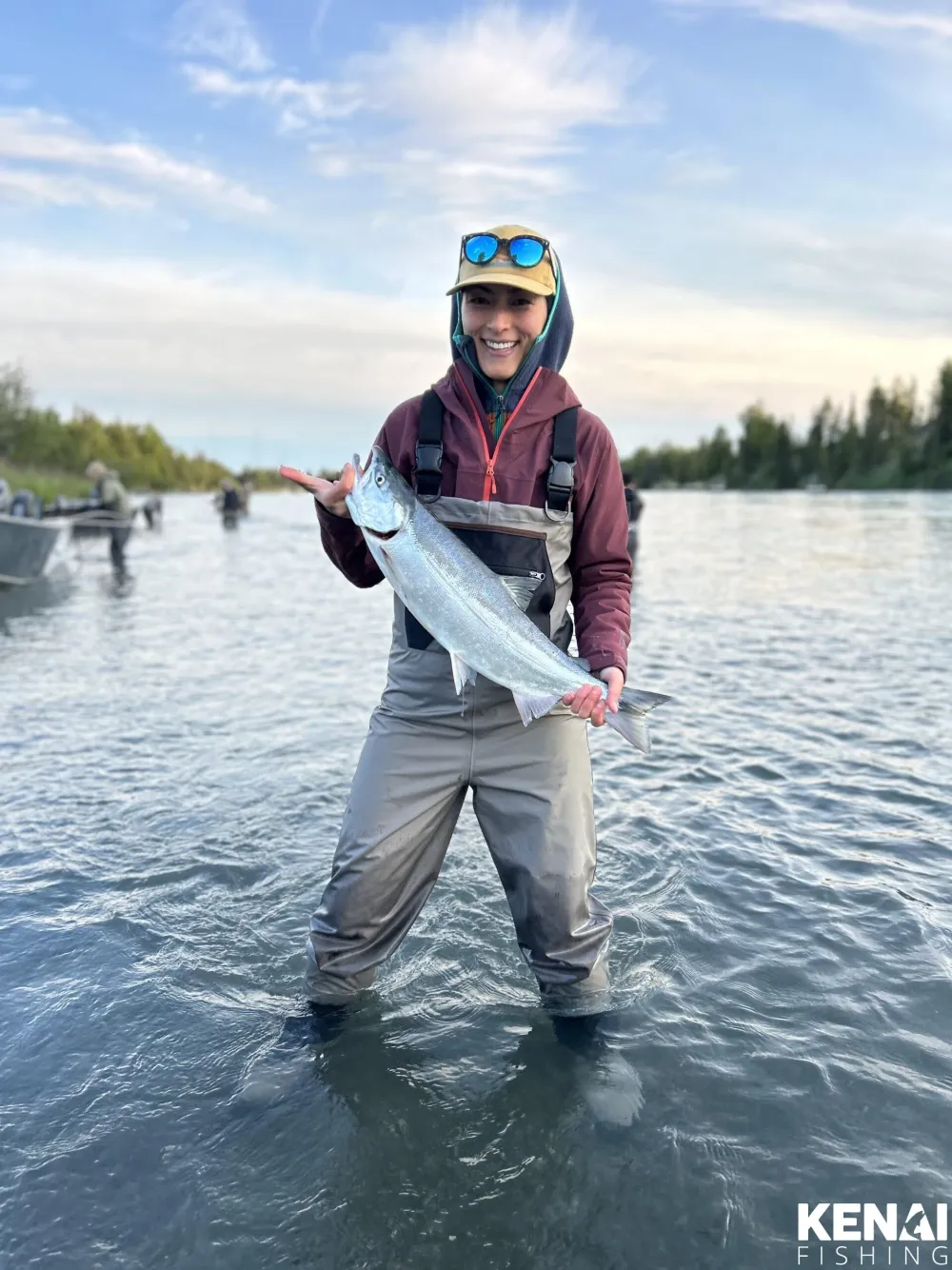
The Kenai River sockeye salmon run is legendary. Each summer, millions of red salmon surge into the river, providing one of the most prolific sport fisheries on Earth. ADF&G monitors the passage of these fish at the Soldotna sonar station, enabling real-time management. Keep an eye on daily sonar counts to time your trip perfectly with the peak pulses.
River Mile 19 Sonar
ADF&G tracks sockeye passage near Soldotna using dual-frequency identification sonar.
July 15 - August 5 Peak
The main late run spikes rapidly in mid-to-late July, bringing massive schools of fresh fish.
750k - 1.3M SEG Goal
Escapement objectives dictate daily limits, commercial openings, and dipnetting regulations.
From the River
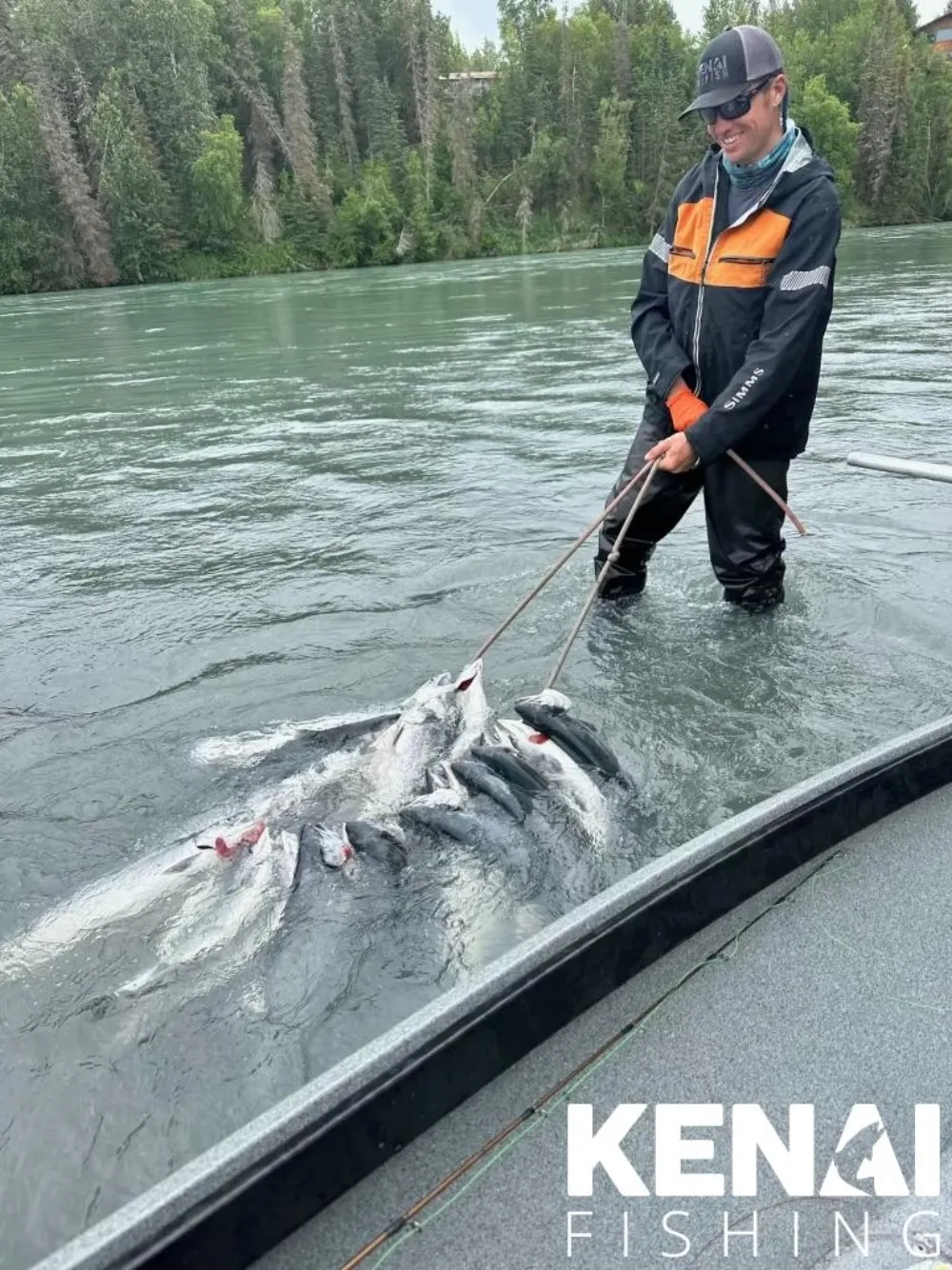
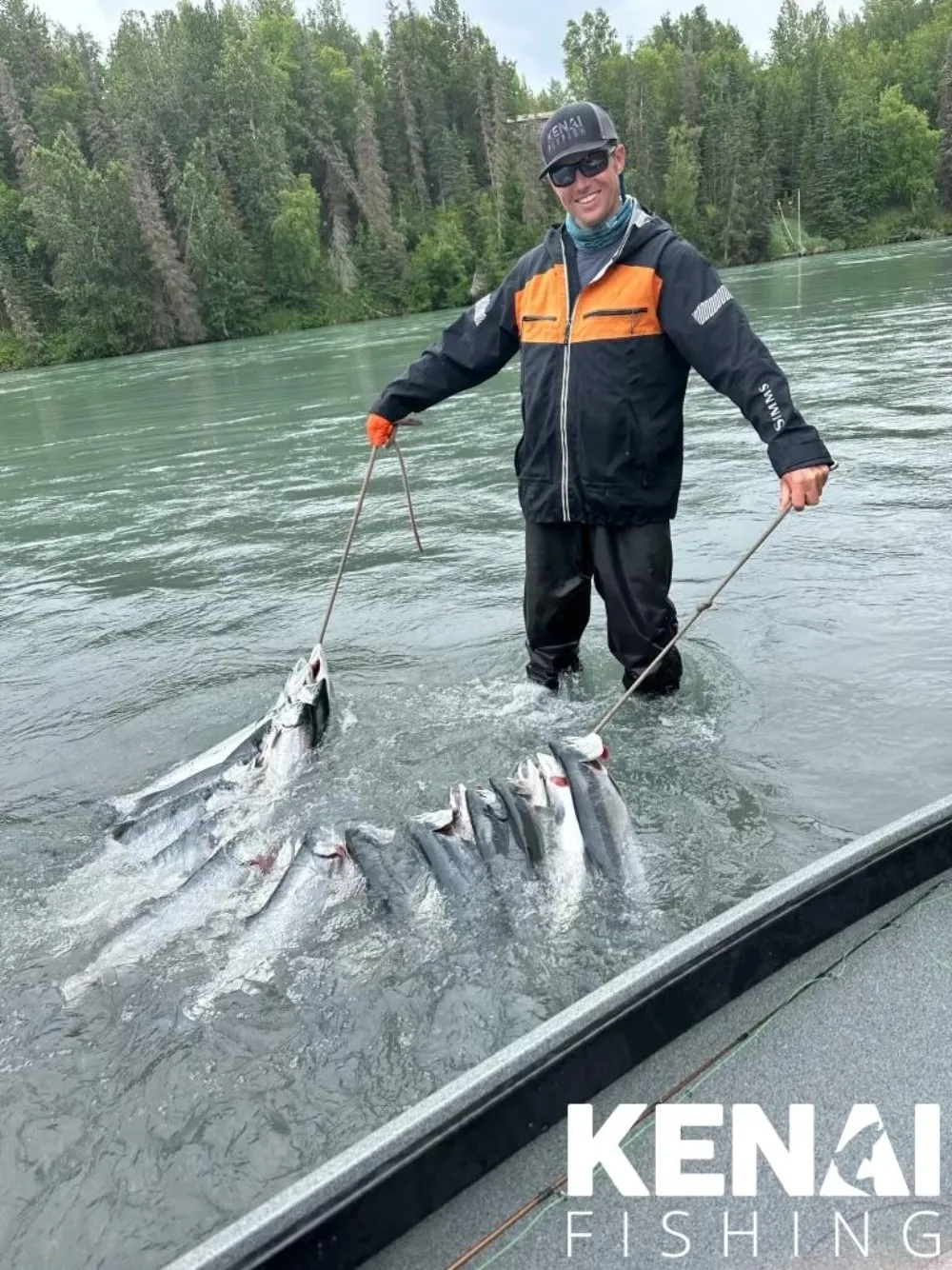
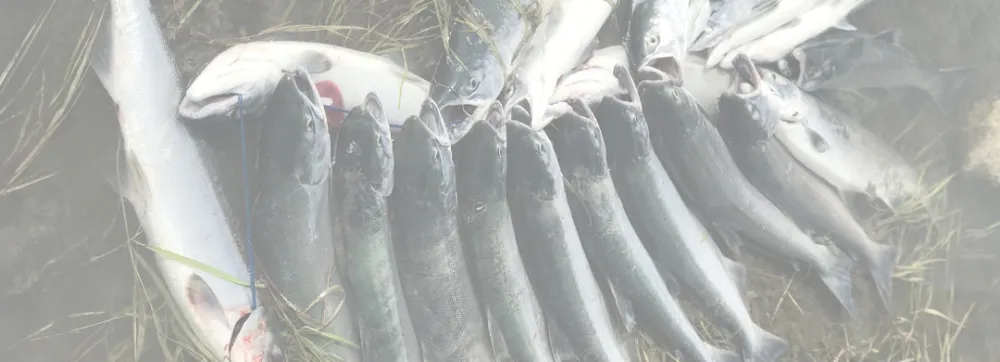
Live Sockeye Sonar Chart

*Data updates directly from the ADF&G sonar at Soldotna. Sonar processing has a 12 to 24 hour lag. Use the dropdown controls to explore historical counts back to 2015.
The Science Behind the Count
Managing a river as dynamic as the Kenai requires state-of-the-art scientific monitoring. ADF&G utilizes DIDSON (Dual-Frequency Identification Sonar) and ARIS (Adaptive Resolution Imaging Sonar) to count sockeye salmon as they travel upstream. Located at River Mile 19, the sonar beams sound waves across the river channel.
Because sockeye salmon typically travel near the banks in shallower, slower-moving water, the sonar is highly effective. The system generates high-definition video-like images of passing fish, allowing technicians to distinguish sockeye from debris and estimate sizes accurately. This real-time counting ensures that the fishery is managed sustainably, protecting spawning populations while maximizing sport harvest.
Run Timing & Peak Windows
The Kenai sockeye migration consists of two distinct runs: the early run (primarily heading to the Russian River) and the late run (spawning in the mainstem Kenai and tributary lakes).
Early Run (June)
Entering the river in mid-to-late June, early run sockeye are smaller in average size but highly active. They move quickly through the lower river to reach the Russian River confluence, offering an exciting early-summer fishery.
Late Run (July - August)
The late run is the main event. Spiking around July 15 and continuing strong into early August, this run brings millions of sockeye. Daily counts can surpass 100,000 fish during the peak, turning the banks into hot zones of continuous hookups.
ADF&G Management & Emergency Orders
ADF&G manages the late-run Kenai sockeye under a Sustainable Escapement Goal (SEG) of 750,000 to 1,300,000 fish. In seasons where the run tracks above projections, sport fishing limits are routinely liberalized.
- Standard Bag Limit: 3 sockeye per day, 6 in possession.
- Emergency Order Increase: If the sonar counts indicate an escapement exceeding 900,000 sockeye, the limit is often raised to 6 fish per day, 12 in possession.
- Tackle Rules: Sport fishing is restricted to single-hook, unbaited artificial lures to reduce snagging mortality on trout and non-target species.
The Flossing Method: Mastering the "Kenai Flip"
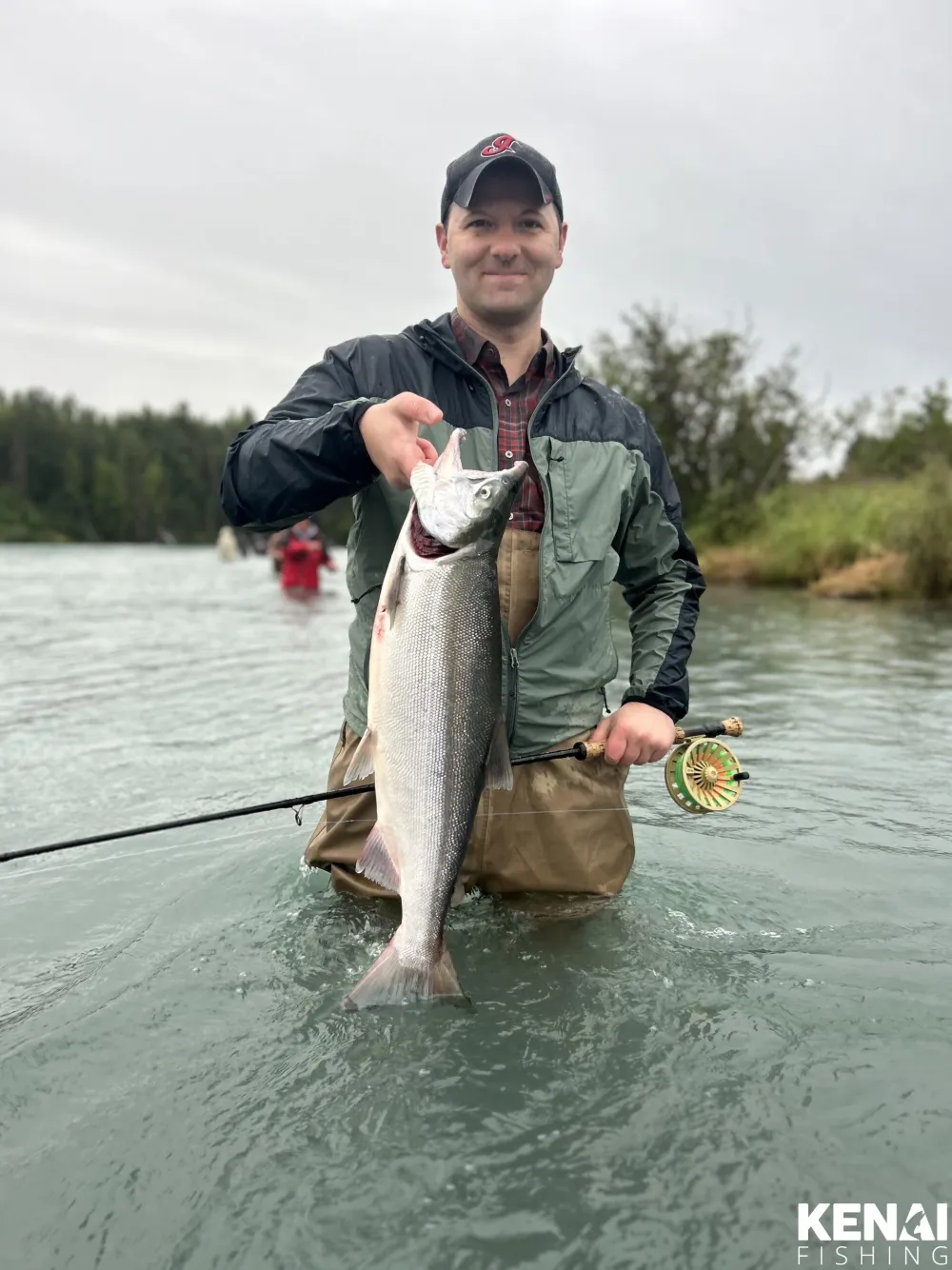
Sockeye salmon do not actively strike lures or bait once they enter freshwater. To catch them, anglers utilize a legal technique known as "flossing" or the "Kenai Flip."
Rigging: Use a medium-heavy spinning or casting rod with a stout braided line. Tie a three-way swivel or inline weight slider, attaching a heavy sinker (1/2 to 2 oz depending on depth/speed) to hold the bottom.
Leader & Hook: Attach a fluorocarbon leader of 30 to 48 inches, terminating in a strong, single-hook artificial fly (usually a Coho Fly or bare Gamakatsu hook with a small piece of yarn).
The Drift: Cast slightly upstream, letting the weight bounce along the gravel. As sockeye swim upstream with open mouths, the leader slides through their mouth, and the hook secures the cheek when the line tightens.
Historical Kenai Sockeye Sonar Totals
| Year | Total Sonar Count | Run Strength | Management Notes |
|---|---|---|---|
| 2022 | 1,567,750 | Strong | Solid late run passage comfortably exceeding upper SEG threshold. |
| 2023 | 2,351,020 | Exceptional | Massive run strength with heavy daily pushes throughout late July. |
| 2024 | 1,926,350 | Very Strong | Consistent sonar counts with high escapement achievement. |
| 2025 | 4,252,497 | Record | Historic record-shattering sockeye run, limits expanded to 6 fish early. |