


Anchor River Kings
The Anchor River is a gorgeous, coastal stream flowing into Cook Inlet near Anchor Point. It is renowned for its early-season king salmon run. Unlike the glacial Kenai, the Anchor is a clear-water system that is highly responsive to rain and spring snowmelt. Monitoring the RM 2 sonar counts is essential for planning weekend angling during the short, intensive run.
River Mile 2 Sonar
Located just above the tidewater to count fish immediately as they enter the river.
June 5 - June 20 Peak
The primary migration window spikes in early June, offering prime fishing opportunities.
Weekend Only Rules
Traditional early season management limits fishing to Saturdays, Sundays, and Mondays.
From the River
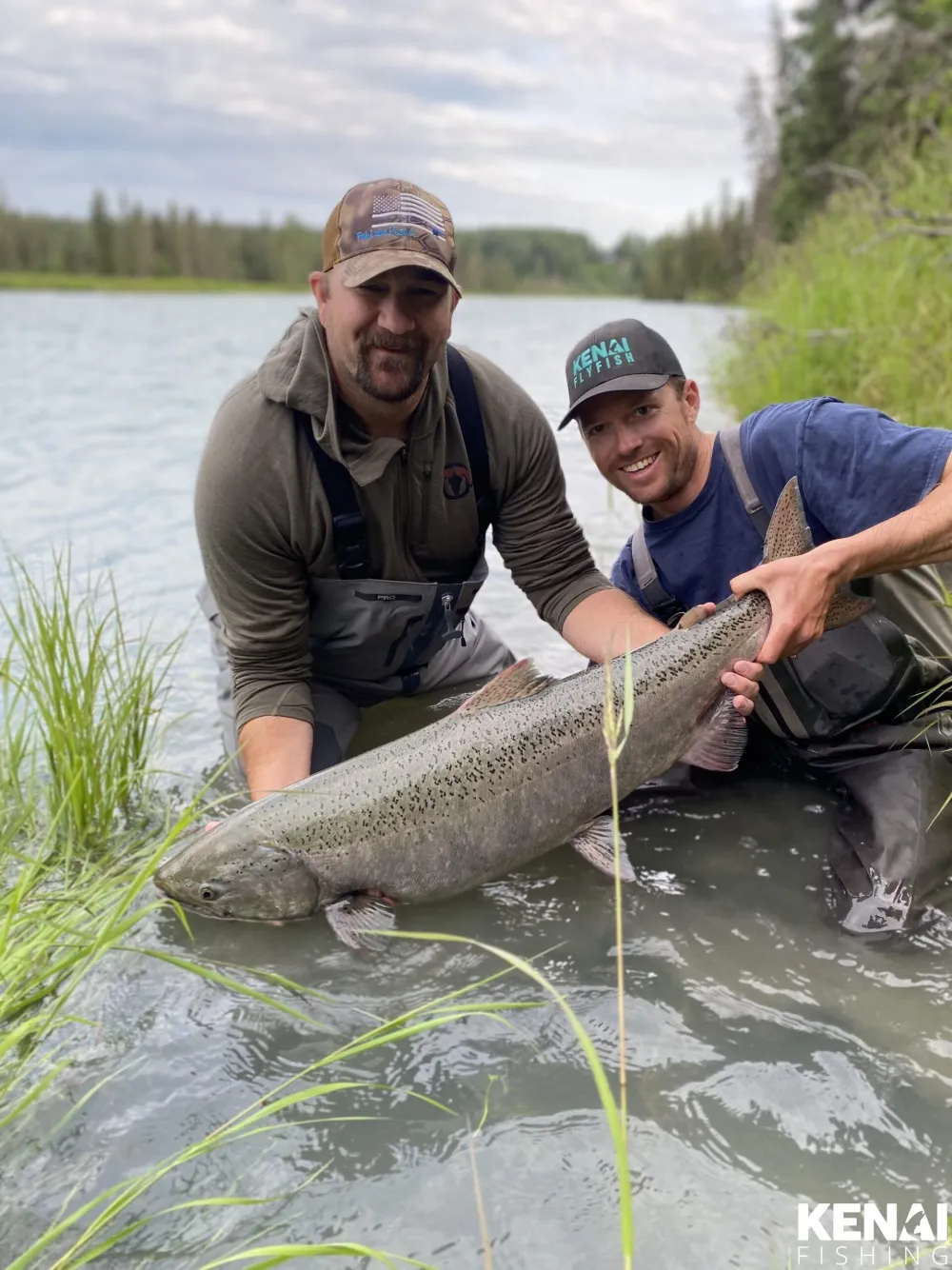
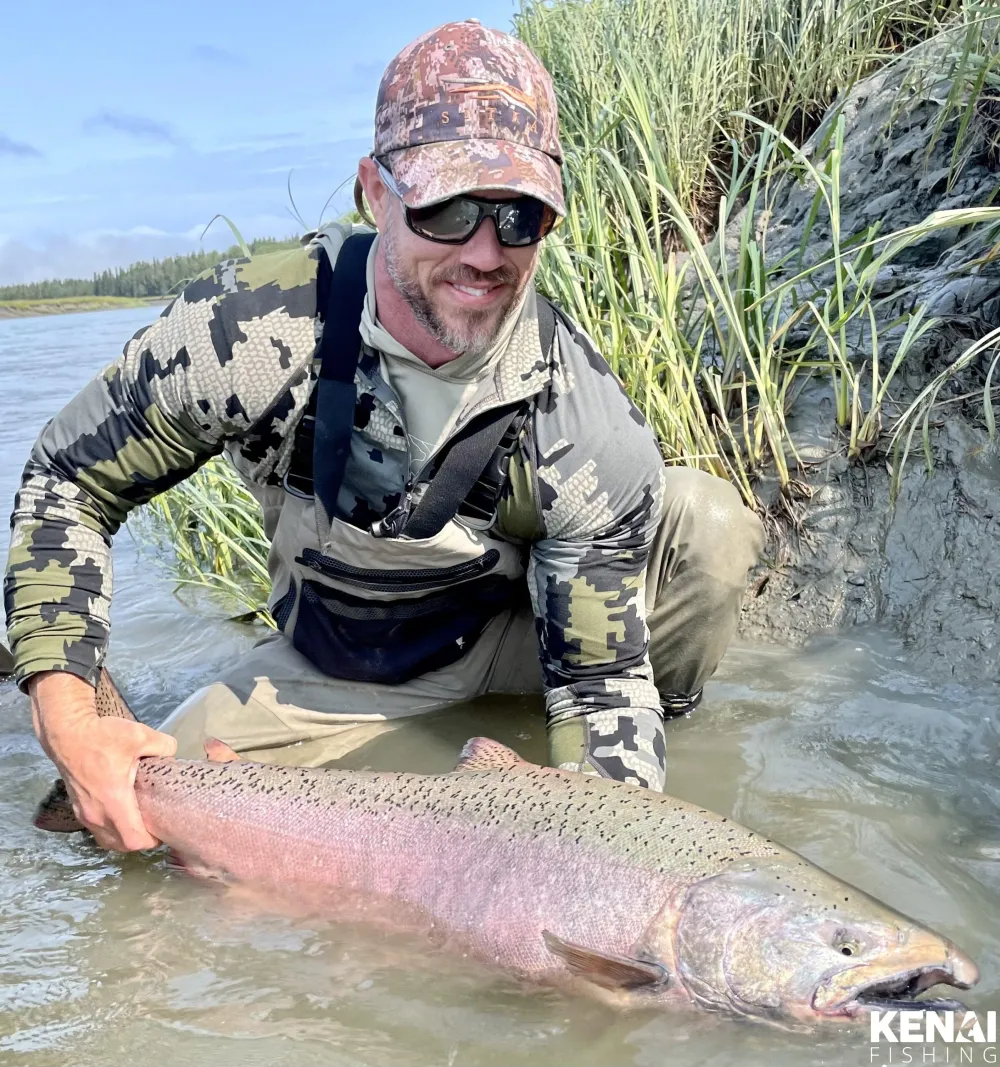
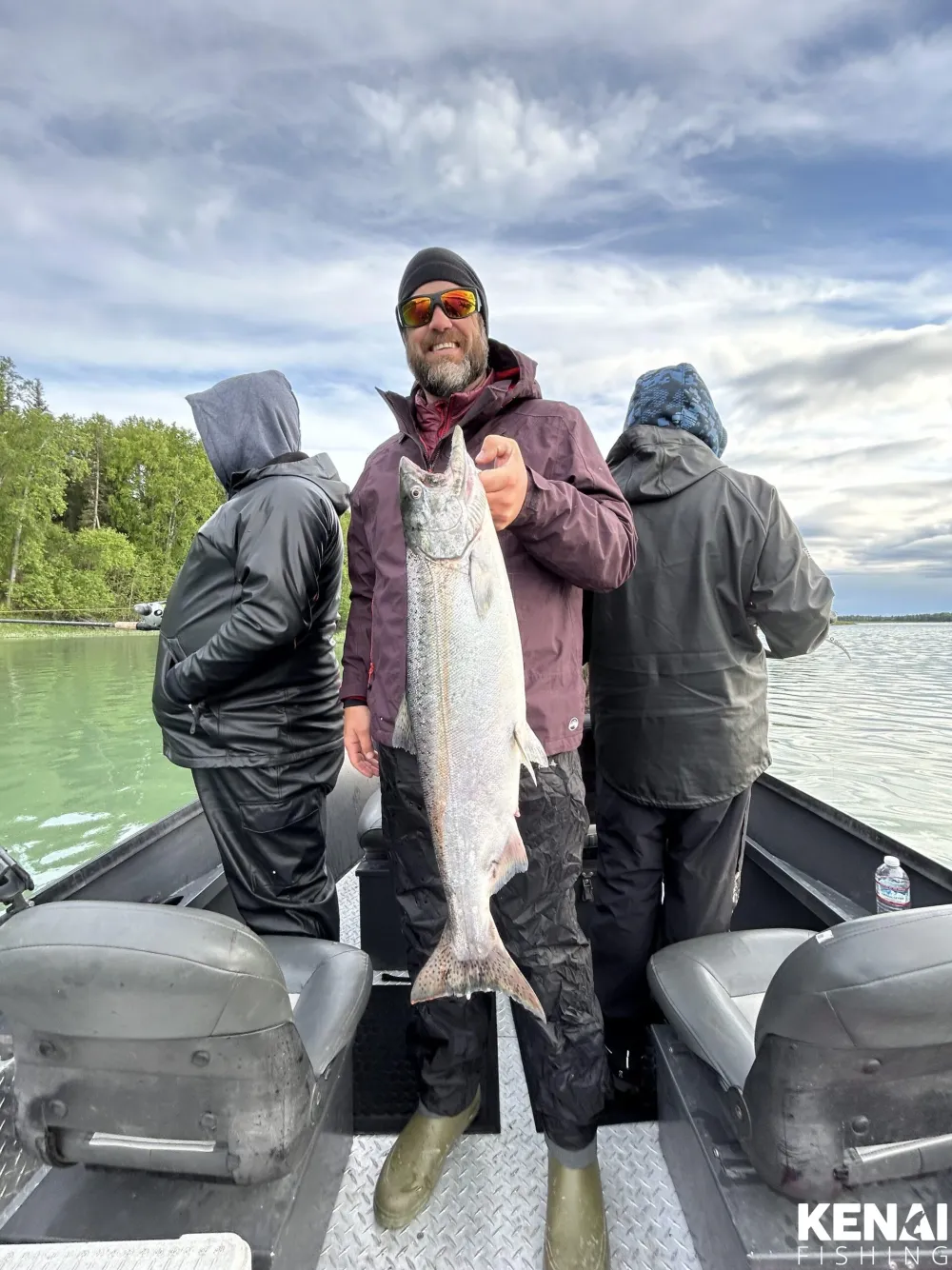
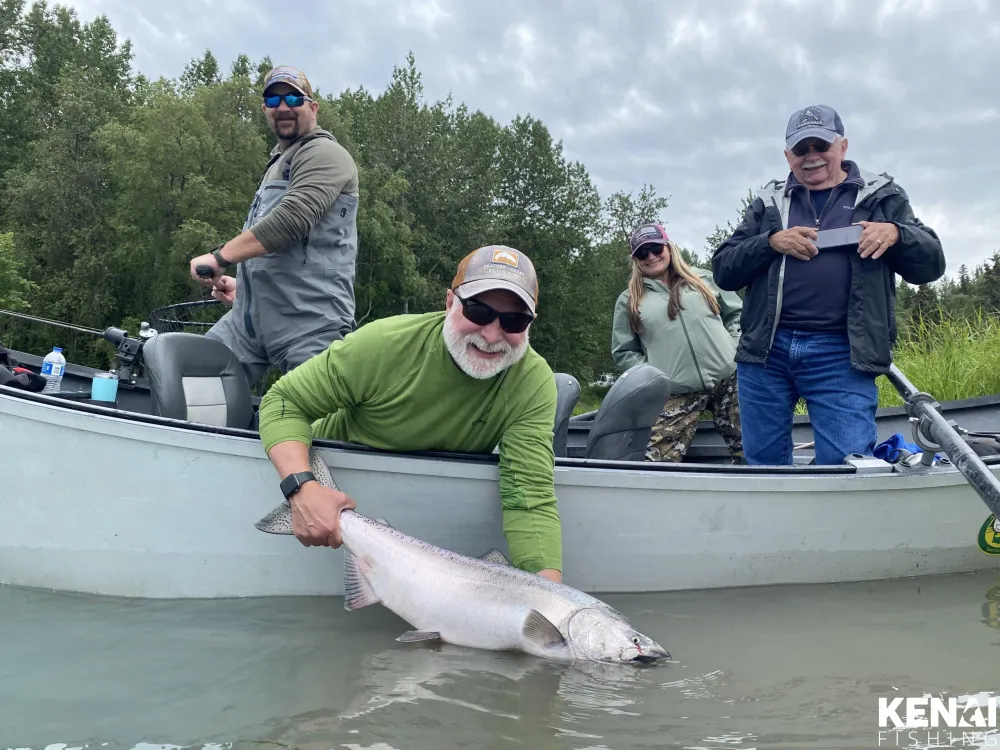
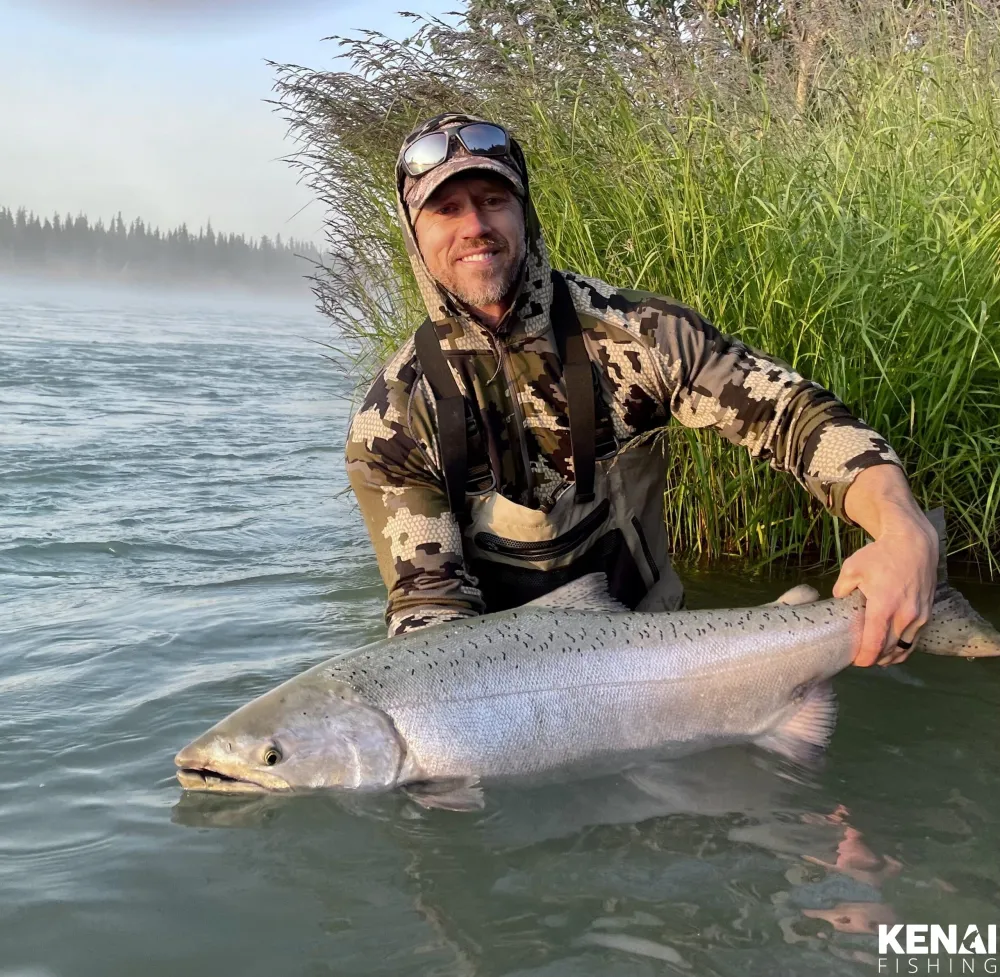
Live Anchor River King Sonar Chart

*Sonar counts show daily passage at the River Mile 2 station. Data is provided by ADF&G and updates daily. Select historical years using the dropdown menu.
Inside the River Mile 2 Sonar
The Anchor River sonar station is positioned just two miles upstream from the mouth of the river. This placement is strategic: it counts king salmon immediately as they transition from Cook Inlet saltwater into fresh water, providing managers with instant feedback on run strength.
Because the Anchor River is prone to rapid water level changes and turbidity during the spring runoff, ADF&G technicians utilize dual-beam split-aperture sonar systems. This technology maintains accuracy even when the water is clouded with silt, ensuring a robust count of the spawning cohort.
Understanding Lower Peninsula Streams
The Anchor River is one of three primary Lower Peninsula streams (along with Ninilchik River and Deep Creek) that drain the western slopes of the Kenai Mountains. These streams are clear, shallow, and highly sensitive to environmental factors.
Unlike glacial rivers, these streams rely entirely on snowmelt and rainfall. High spring temperatures cause rapid snowmelt, leading to high, turbid water that makes fishing difficult. Conversely, dry spells can lead to low, crystal-clear water where king salmon become extremely spooked and difficult to hook. Timing your trip when water levels stabilize is key.
Weekend-Only Management
Due to the small size of the Anchor River and the vulnerability of king salmon in its shallow pools, sport fishing is heavily regulated. In early summer, the river is open to sport fishing only on Saturdays, Sundays, and Mondays.
During the rest of the week (Tuesdays through Fridays), the river is closed to fishing, allowing salmon to migrate upstream to spawning gravels without angling pressure. If sonar counts fall below the daily projection curves, ADF&G will implement further emergency orders, such as closing bait or requiring catch-and-release.
Light-Tackle Small Stream Tactics
Targeting king salmon in a small stream like the Anchor requires a stealthy approach and lighter gear than what is used on the Kenai:
- Drift Fishing: Drift cured salmon eggs or small corkies along the gravel bottom of deep pools. Work the seams and tailouts where kings rest during their journey.
- Spinners: Casting large weighted spinners (like size 5 or 6 Blue Fox Vibrax in pink, chartreuse, or silver) is a classic tactic. Retrieve slowly through deep holes to trigger aggression strikes.
- Fly Angling: Swing large, colorful streamer flies (like Intruder patterns or egg-sucking leeches) through current seams using sink-tip lines.
Historical Anchor River King Totals
| Year | Total Sonar Count | Status | Management Actions |
|---|---|---|---|
| 2022 | 3,092 | Met Goal | Met the lower SEG target, enabling weekend openings. |
| 2023 | 2,338 | Restricted | In-season closures were enacted to protect spawners. |
| 2024 | 3,329 | Met Goal | Steady run matching projections with restricted bait. |
| 2025 | 4,040 | Healthy | Good counts allowed the season to complete without emergency closures. |