

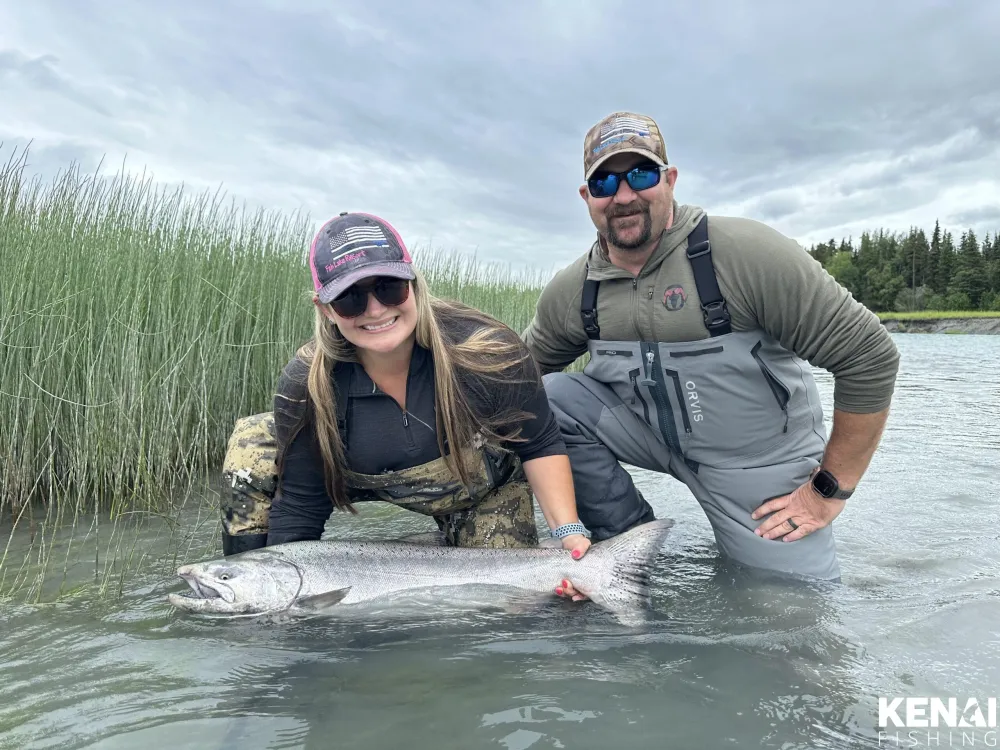
Ninilchik River Kings
The Ninilchik River is a popular small-stream fishery located near the historic town of Ninilchik. Blessed with a strong hatchery stocking program, the river offers excellent opportunity for sport anglers to harvest fresh, ocean-run king salmon. Understanding the difference between wild and hatchery fish, and monitoring the ADF&G weir counts, is essential for every angler on the river.
Ninilchik Picket Weir
ADF&G operates a physical picket weir to visually count and sort wild vs. hatchery king salmon.
Wild vs. Hatchery Sorting
Technicians record hatchery fish by checking for the missing adipose fin, sorting native stocks.
750 - 1,300 SEG Goal
Management prioritizes native wild spawning stocks, letting you keep stocked hatchery fish.
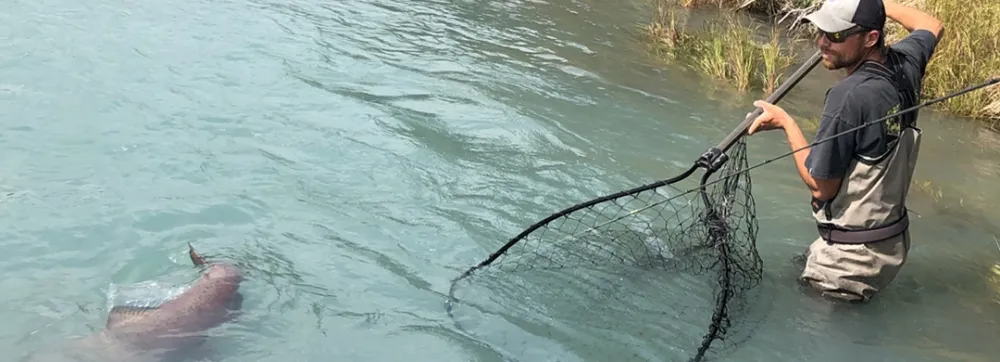
From the River
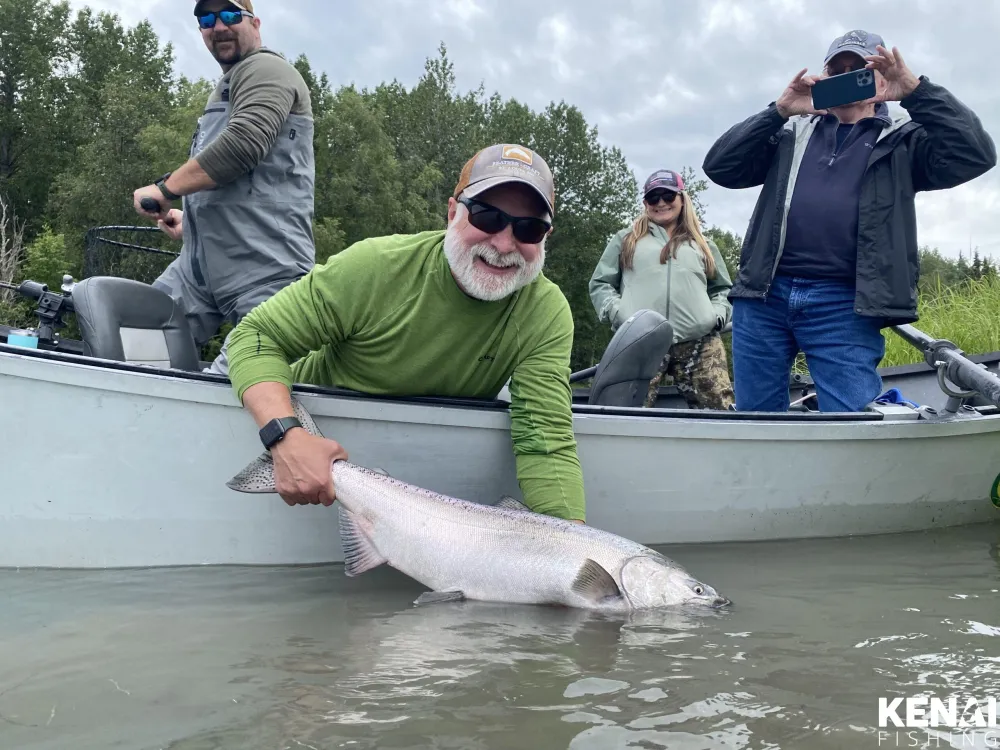
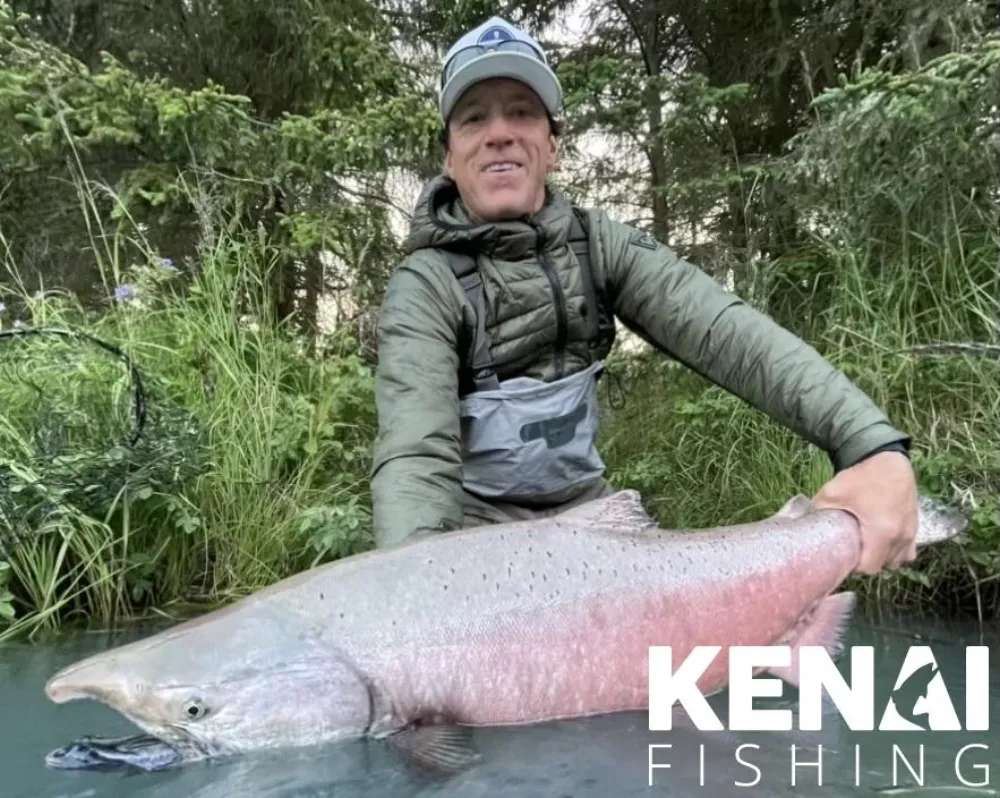
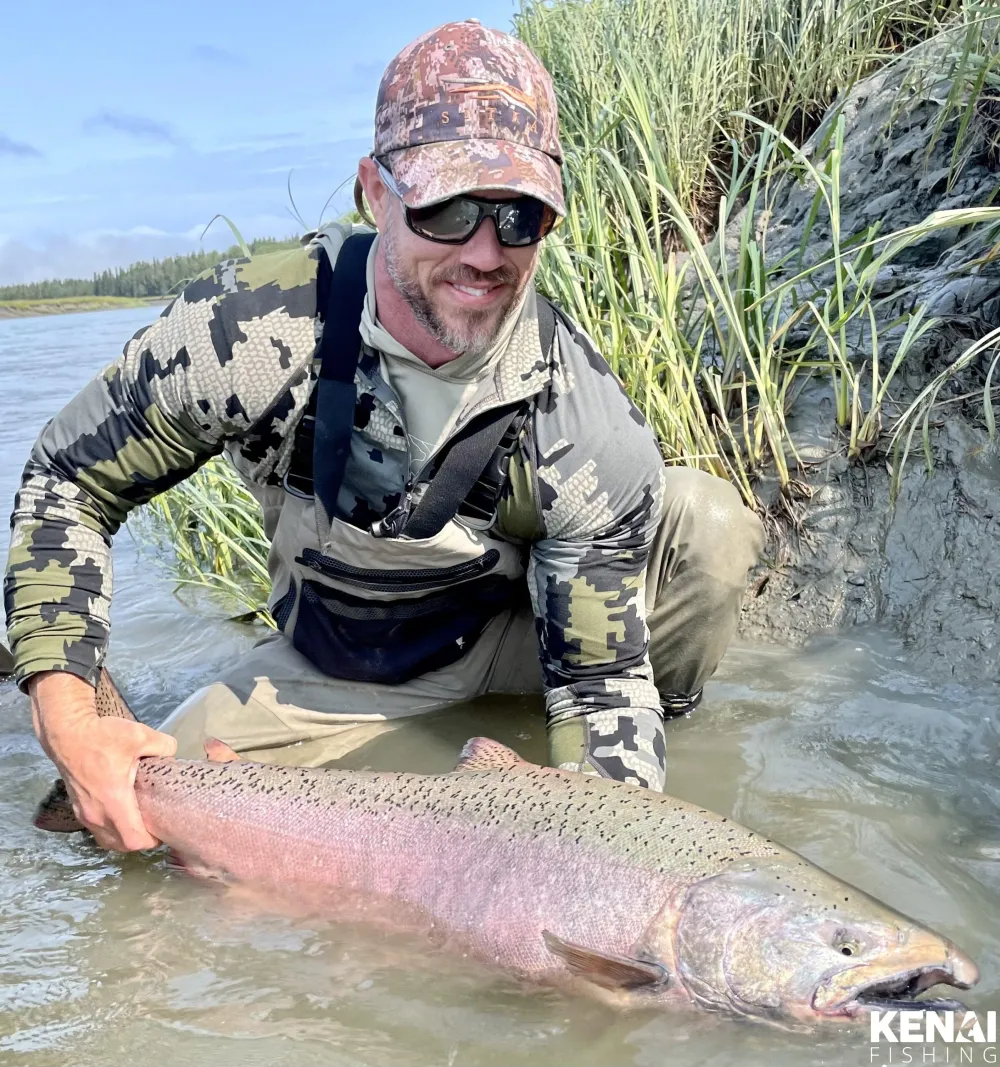
Live Ninilchik King Weir Chart

*Weir counts show cumulative daily passage. Data is provided by ADF&G and updates daily during the spring season. Historical datasets can be viewed using the filters.
Inside the Ninilchik Picket Weir
The Ninilchik River weir is a physical structure operated by the Alaska Department of Fish and Game. Located a short distance upstream from the bridge, this weir acts as a barrier that guides migrating king salmon into a small chute.
As the fish pass through, technicians inspect each one. They record two distinct figures: the count of wild king salmon (retaining their adipose fin) and the count of hatchery king salmon (missing their adipose fin). Sorting these fish is crucial because only the wild, native fish count toward the river's sustainable escapement goal.
Hatchery vs. Wild Identification
Under ADF&G regulations, identifying the origin of your catch is the angler's responsibility. The Ninilchik is stocked with hatchery king salmon to supplement sport harvest and protect wild spawners.
Wild King Salmon
Wild kings are born naturally in the river system. They possess a complete, healthy **adipose fin** on their back, between the dorsal fin and the tail. These fish must be released unharmed unless explicitly permitted by emergency order.
Hatchery King Salmon
Hatchery fish are reared at state hatcheries and stocked as smolts. Prior to release, their **adipose fin is clipped**. Look for a missing fin and a clean, healed scar. These fish can be legally retained under daily bag limits.
Retention & Bag Limits
Due to the small size of the Ninilchik, the fishery is carefully regulated to prevent wild overharvest:
- Stocked Hatchery Retention: Anglers are allowed to retain hatchery king salmon up to the daily bag limit (typically 1 or 2 fish).
- Wild Release: Wild king salmon must be released immediately without being removed from the water. Always keep the fish submerged while extracting the hook.
- Single-Hook Restrictions: To ensure fish can be released safely, only single-hook lures or flies may be used. Treble hooks are prohibited.
Ninilchik Stream Angling Tactics
Angling on the Ninilchik focuses on short, shallow runs. The fish travel in small pockets and hold in the deeper bends.
Indicator Nymphing: Drifting single cured eggs or soft beads under a slip-float indicator is highly effective. Adjust your bobber stop so the bait hangs 2 to 6 inches off the gravel.
Weighted Spinners: Cast small weighted spinners (like size 3 or 4 Vibrax spinners in copper or blue) into the deeper pools, retrieving just fast enough to rotate the blade.
Swinging Streamers: Fly anglers use 7 or 8-weight rods to swing wooly buggers or egg-sucking leech patterns through tailouts during the tide change.
Historical Ninilchik Weir Totals
| Year | Wild King Count | Hatchery King Count | Wild Status | Management Notes |
|---|---|---|---|---|
| 2022 | 411 | 600 | Goal Met | Wild escapement within goal; hatchery numbers allowed good harvest. |
| 2023 | 248 | 300 | Low Run | Wild counts fell short, triggering wild-release restrictions. |
| 2024 | 320 | 400 | Goal Met | Met the wild SEG threshold comfortably; active hatchery harvest. |
| 2025 | 429 | 700 | Strong | Excellent wild and hatchery counts recorded at the weir. |